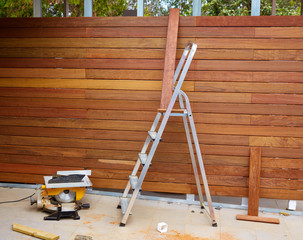
Fence installation is a key component of property development and maintenance that enhances security, defines boundaries, and improves overall outdoor aesthetics. A properly installed fence serves multiple purposes, including protection, privacy, decoration, and containment for pets or children. Whether for residential, commercial, or agricultural properties, fencing provides structure and control over outdoor spaces while increasing overall property value.
Modern fence installation services offer a wide range of materials and designs that can be tailored to specific functional and visual requirements. From traditional wood fencing to durable metal systems and low-maintenance composite options, the right fencing solution can significantly improve both the usability and appearance of any property. Proper installation is essential, as even high-quality materials will underperform if not correctly aligned, anchored, and secured.
Why Fence Installation Matters for Property Protection and Organization
Fencing plays an important role in establishing clear boundaries and enhancing safety. One of its primary functions is to create a physical barrier that helps prevent unauthorized access while keeping people, pets, and belongings safely contained within a designated area. This is especially important for residential properties where outdoor safety and privacy are top priorities.
Beyond security, fencing contributes to property organization. It helps define functional outdoor zones such as gardens, driveways, play areas, and recreational spaces. This level of structure improves usability and ensures that outdoor areas remain orderly and well-managed.
Fence installation also adds to visual appeal. A well-designed fence can complement architectural styles and landscaping features, creating a more polished and cohesive outdoor environment. In many cases, fencing is one of the first elements noticed from the exterior of a property, making it an important factor in curb appeal.
Common Types of Fence Installation Services
Fence installation services vary depending on material choice, design preference, and intended use. Each fencing type offers different benefits in terms of durability, maintenance, and appearance, allowing property owners to select options that best fit their needs.
Common fence installation options include:
- Wooden fence installation for natural aesthetics and flexibility
- Metal fence installation for durability and enhanced security
- Vinyl fence installation for low-maintenance performance
- Chain-link fence installation for cost-effective enclosure
- Composite fencing for modern durability and style
- Decorative fencing for aesthetic enhancement
- Privacy fencing for enclosed outdoor living spaces
Each option serves a specific purpose, from security-focused installations to purely decorative landscape enhancements.
The Fence Installation Process Explained
Fence installation requires careful planning, accurate measurement, and proper execution to ensure stability and long-term durability. A poorly installed fence may lean, shift, or deteriorate prematurely, making professional installation an important consideration.
The process typically begins with a site evaluation and layout planning phase. This involves determining property boundaries, assessing ground conditions, and identifying any obstacles such as slopes, rocks, or underground utilities. Once planning is complete, materials are prepared and installation begins.
A standard fence installation process includes:
- Site inspection and boundary marking
- Material selection and preparation
- Post hole digging and alignment setup
- Installation and securing of fence posts
- Attachment of panels, boards, or mesh systems
- Final leveling and structural reinforcement
- Cleanup and finishing touches
This structured approach ensures that the fence is stable, properly aligned, and built to withstand environmental conditions.
Choosing the Right Fence Material
Selecting the appropriate fencing material is one of the most important decisions in the installation process. Each material offers different advantages in terms of strength, maintenance requirements, lifespan, and appearance.
Wood fencing provides a natural and versatile look but requires periodic maintenance such as sealing or painting. Metal fencing offers superior strength and security, making it ideal for high-protection needs. Vinyl fencing is popular for its durability and low maintenance, while composite materials combine modern design with long-term performance.
Key factors when choosing fence materials include:
- Desired level of privacy and security
- Maintenance requirements over time
- Weather resistance and durability
- Budget and long-term value
- Visual compatibility with property design
Selecting the right material ensures the fence performs effectively and complements the surrounding environment.
Privacy and Security Benefits of Fence Installation
One of the main reasons property owners invest in fencing is to improve privacy and security. A well-installed fence helps block visibility from outside, creating a more private and comfortable outdoor space. It also serves as a protective barrier that discourages trespassing and unauthorized entry.
For families, fencing provides added safety by keeping children and pets safely contained within the property. This reduces the risk of accidents and allows for more relaxed use of outdoor areas.
Security and privacy benefits include:
- Protection against unauthorized access
- Safe enclosed areas for pets and children
- Reduced visibility from neighboring properties
- Increased sense of personal security and comfort
- Improved outdoor usability and peace of mind
These advantages make fencing an essential feature for many property owners.
Fence Installation for Landscaping and Outdoor Design
Fencing is not only functional but also an important part of landscape design. A well-chosen fence enhances outdoor aesthetics and contributes to the overall visual structure of a property. It can frame gardens, define pathways, and complement architectural styles.
Decorative fencing options allow for customization and creative design integration. Whether minimalist or detailed, fencing can be tailored to match the character of the property and surrounding landscape.
Common design applications include:
- Framing garden and planting areas
- Enhancing outdoor seating and entertainment spaces
- Defining walkways and property zones
- Complementing architectural features
- Creating visual balance in landscaping layouts
A thoughtfully designed fence enhances both functionality and curb appeal.
Fence Maintenance and Longevity
Proper maintenance is essential for ensuring long-term fence durability and appearance. Exposure to weather conditions such as rain, sunlight, and humidity can gradually affect material performance if not properly maintained.
Wood fences may require sealing or staining, while metal fences may need rust protection. Vinyl and composite fences generally require less maintenance but still benefit from periodic cleaning and inspection.
Basic fence maintenance practices include:
- Regular cleaning to remove dirt and debris
- Inspecting for loose or damaged sections
- Treating wood surfaces with protective coatings
- Checking metal fences for rust or corrosion
- Ensuring posts remain stable and properly aligned
Consistent maintenance helps extend the lifespan of the fence and preserve its structural integrity.
Common Fence Installation Challenges
Fence installation can present challenges depending on terrain, soil type, and environmental conditions. Uneven ground, rocky soil, and property slopes may require additional adjustments during installation. Weather conditions can also impact timing and material handling.
Proper planning and professional expertise help overcome these challenges and ensure a stable, long-lasting installation.
Common challenges include:
- Uneven or sloped terrain
- Hard or rocky soil conditions
- Underground utility lines
- Weather-related delays
- Alignment and leveling difficulties
Addressing these issues correctly ensures a durable and properly installed fence system.
Final Thoughts on Fence Installation Services
Fence installation is a valuable investment that enhances security, privacy, organization, and visual appeal for any property. A properly installed fence defines boundaries, improves outdoor usability, and contributes to overall property value.
From material selection and design planning to installation and maintenance, every stage plays a crucial role in ensuring long-term performance. Whether for residential or commercial use, professional fence installation delivers reliable, durable, and aesthetically pleasing results.
By choosing the right materials and ensuring proper installation, property owners can enjoy safe, structured, and visually appealing outdoor spaces for many years.
